Quick Summary:
Understanding how your 401(k) works is a critical part of building a confident retirement strategy. Many employees miss opportunities simply because key terms and rules feel confusing or unclear. By learning a few essential concepts, you can make smarter decisions, improve participation, and better align your savings with long-term goals. Whether you are exploring retirement planning or evaluating retirement planning services, knowing these basics can make a meaningful difference.
Why 401(k) Knowledge Is So Important
A 401(k) is often one of the most powerful tools available for long-term retirement financial planning. Yet many employees hesitate to fully engage with their plan because they are unsure how it works. That hesitation can lead to delayed contributions, missed employer matches, and less effective retirement income planning.
When individuals clearly understand how their retirement plan functions, they are more likely to take action. Education helps remove uncertainty and supports better financial decisions. Whether you are working with a retirement advisor Frederick MD or simply searching for a retirement planner near me, having a strong grasp of the fundamentals can help you get more value from your plan.
1. What Is a 401(k) Plan?
A 401(k) is a workplace-sponsored retirement savings program that allows you to contribute a portion of your paycheck toward your future. These contributions are invested, giving your money the opportunity to grow over time.
Depending on your plan, you may choose between pre-tax and Roth contributions. This decision plays a role in your long-term retirement tax planning strategy and can impact how you generate income in retirement.
2. Who Is a Plan Participant?
A plan participant is an employee who qualifies for and actively enrolls in their company’s retirement plan. Eligibility requirements can vary and may depend on factors like age or tenure.
It is important not to assume enrollment is automatic. Many people miss valuable savings time because they have not completed the necessary steps. This is something retirement planner often helps clients review during a retirement plan review.
3. Understanding Pre-Tax Contributions
Pre-tax contributions are taken from your paycheck before income taxes are applied. This reduces your taxable income today, which can provide immediate financial relief.
However, withdrawals in retirement are taxed as ordinary income. This trade-off is a key consideration in retirement income strategies and tax-efficient retirement withdrawals, especially when planning for long-term income needs.
4. How Roth Contributions Work
Roth contributions are made with income that has already been taxed. While there is no upfront tax advantage, qualified withdrawals in retirement are generally tax-free.
This option can be appealing if you expect higher taxes later in life. Many retirement planning Maryland strategies incorporate a mix of pre-tax and Roth contributions to create flexibility and support retirement wealth management.
5. What Is an Employer Match?
An employer match is when your company contributes to your 401(k) based on how much you contribute. This is often structured as a percentage up to a certain limit.
Not contributing enough to receive the full match is one of the most common missed opportunities. From a retirement wealth preservation perspective, maximizing this benefit is one of the simplest ways to strengthen your long-term savings.
6. What Does Vesting Mean?
Vesting refers to your ownership of employer contributions over time. While your personal contributions are always yours, employer contributions may become yours gradually based on a schedule.
This is especially important if you change jobs. A retirement planner can help you understand how vesting impacts your overall retirement portfolio allocation and long-term planning.
7. Contribution Limits Explained
The IRS sets an annual limit on how much you can contribute to your 401(k). These limits can change, so it is important to stay informed.
Knowing your contribution limit helps you plan more effectively and avoid overcontributing. It also supports better retirement income planning by ensuring you are saving consistently and strategically.
8. What Are Catch-Up Contributions?
If you are age 50 or older, you may be eligible to contribute additional funds beyond the standard annual limit. These are called catch-up contributions.
This feature is designed to help individuals accelerate their savings as they approach retirement. It can play a key role in addressing longevity risk retirement concerns and helping you plan for outliving your money.
9. Why Beneficiary Designations Matter
A beneficiary is the person or entity who will receive your 401(k) assets if you pass away. This designation typically overrides instructions in a will.
Keeping this information current is essential for estate planning and beneficiary planning for retirement accounts. It helps ensure your assets are distributed according to your wishes and avoids unnecessary complications.
10. Required Minimum Distributions (RMDs)
Required Minimum Distributions, or RMDs, are mandatory withdrawals that must begin at a certain age. Failing to take them can result in significant penalties.
RMD planning and required minimum distributions planning are critical components of retirement income planning Maryland. Understanding when and how to take distributions can help you manage taxes and maintain a sustainable withdrawal strategy.
How Financial Literacy Improves Retirement Outcomes
When employees understand their 401(k), they are more likely to participate, contribute regularly, and make informed decisions. This leads to stronger retirement outcomes and greater confidence.
For those working with a retirement planner or exploring retirement planning, education is often the foundation of a successful strategy. It supports better decisions around Social Security planning, investment strategies for retirement, and protecting retirement savings from market downturns.
Taking the Next Step in Your Retirement Planning
Improving your understanding of your 401(k) does not have to be complicated. It starts with learning the basics and building from there. Whether you are evaluating retirement planning services or searching for a retirement advisor near me, having the right guidance can simplify the process.
At Wealth Diversified, we focus on helping individuals make confident, informed decisions. From retirement income strategies to wealth preservation and retirement income planning, our approach is centered on clarity and education.
If you are ready to take the next step, consider scheduling a retirement consultation or exploring your options with a retirement planner who understands your goals and local needs.
Investment advisory services offered through Foundations Investment Advisors, LLC, an SEC registered investment adviser.
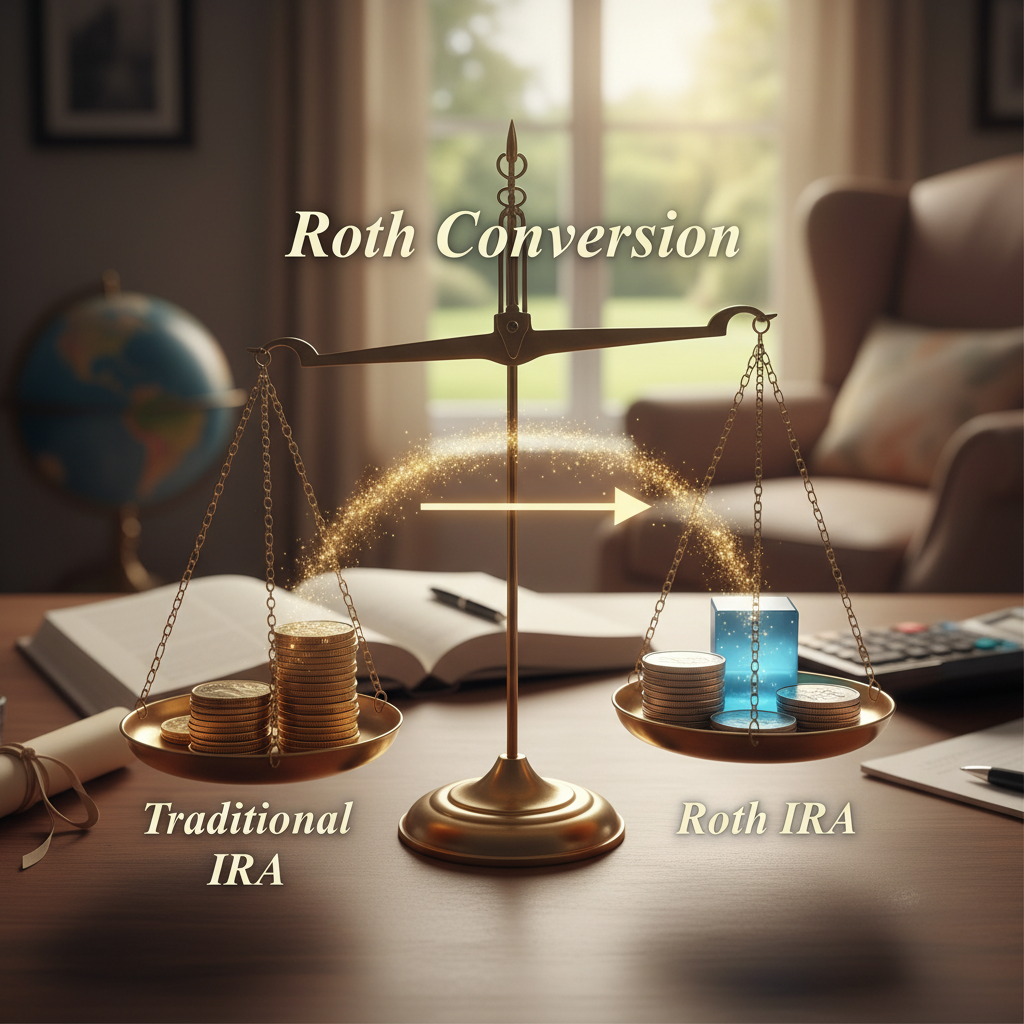
A Roth conversion may not be suitable for your situation. The primary goal in converting retirement assets into a Roth IRA is to reduce the future tax liability on the distributions you take in retirement, or on the distributions of your beneficiaries. The information provided is to help you determine whether or not a Roth IRA conversion may be appropriate for your particular circumstances. Please review your retirement savings, tax, and estate/legacy planning strategies with your legal/tax advisor to be sure a Roth IRA conversion fits into your planning strategies.
This is not endorsed or affiliated with the Social Security Administration or any U.S. government agency.