
Roth IRA Conversion Q&A for Smarter Retirement Planning

Mark Schlossenberg

A Roth IRA conversion can be a powerful strategy for retirement planning, especially when markets feel unpredictable. When volatility is high, many people start looking for ways to create more stability and tax efficiency in the future. This Q&A offers clear, timely guidance to help you understand how Roth conversions work and why they may be worth considering as part of your long-term financial strategy.

What Is a Roth IRA Conversion?

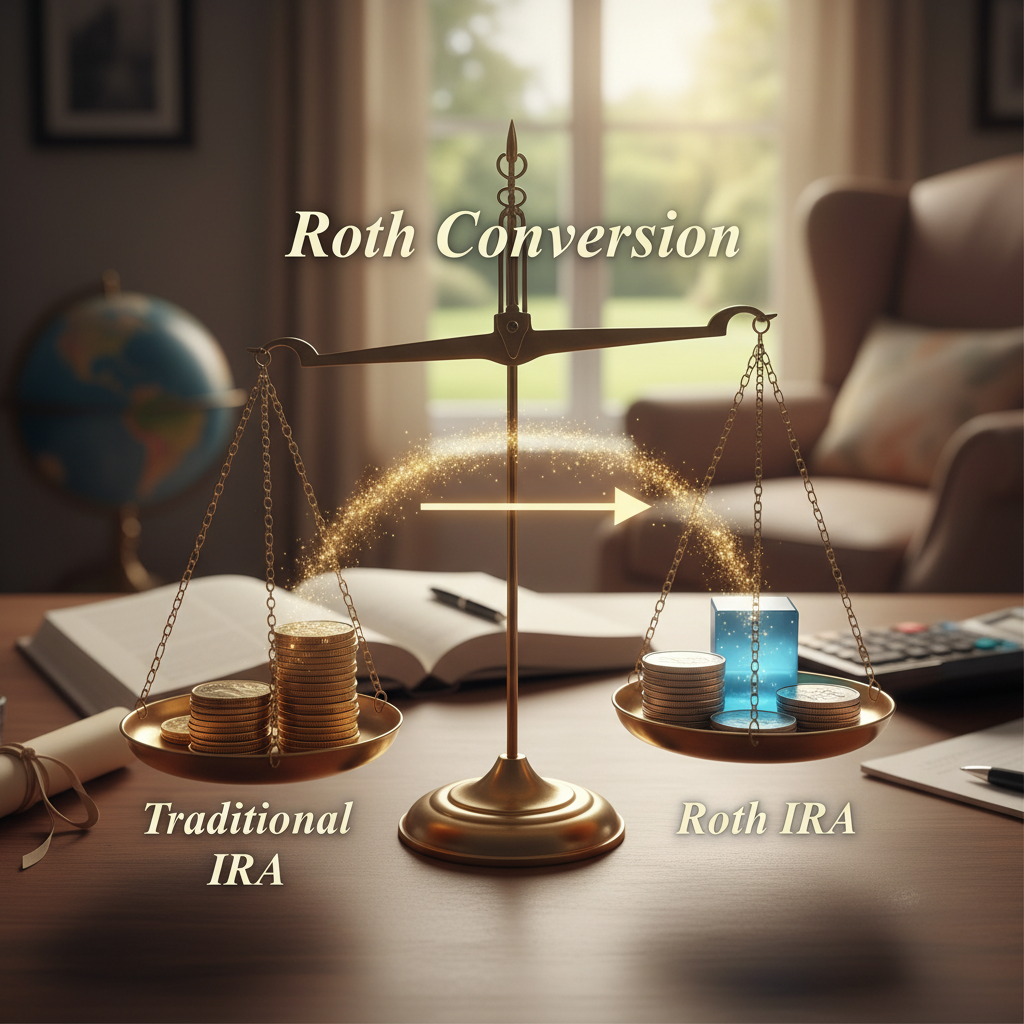
A Roth IRA conversion is the process of moving funds from a traditional IRA or pre-tax retirement account into a Roth IRA. When you convert, you pay income taxes now on the amount moved, but once the money is inside the Roth, future growth and qualified withdrawals are tax-free. This tradeoff provides long-term tax advantages for retirees who want predictable, tax-free income later in life.

Why Convert During a Down Market?

A down market can make a conversion more attractive because investments may temporarily be valued lower. Converting at a reduced value means a smaller immediate tax bill. Once in the Roth IRA, any recovery or future growth happens tax-free, giving you the potential to capture gains more efficiently.

Can I Convert Investments “In Kind”?

Yes. Many assets—such as stocks, mutual funds, and ETFs—can be transferred directly into a Roth IRA without selling them first. This approach allows you to stay invested throughout the process, avoid unnecessary trading costs, and maintain continuity in your long-term strategy.

Why Is “In-Kind” a Big Deal?

In-kind conversions help you stay fully invested while executing a tax strategy. You avoid transaction fees, eliminate the risk of trying to time the market, and keep your existing investment positions intact. This continuity can be especially valuable during volatile periods when missing even a few days of market recovery could impact long-term results.

How Does This Fit Into Estate Planning?

Roth IRAs do not require minimum distributions during the original owner’s lifetime. This gives the account more time to grow tax-free and gives you greater control over when—if ever—you take withdrawals. For many families, this flexibility also strengthens estate planning because heirs can inherit a tax-free account instead of a potentially taxable one.

What Happens to My Heirs When They Inherit My Roth?

Heirs can typically withdraw Roth IRA funds tax-free as long as the five-year rule is met. Under the SECURE Act, most non-spouse beneficiaries must empty the account within 10 years, though certain exceptions apply. When planning, it’s also important to consider the potential for higher tax brackets in the future and the “widow’s penalty,” where a surviving spouse may face higher taxes because of the shift from joint to single filing status.

A Roth conversion can be a smart way to reduce long-term tax exposure, preserve flexibility, and strengthen retirement and estate planning—especially in uncertain markets. However, the strategy must fit your unique financial picture. Consider speaking with a professional or using planning tools to evaluate whether a Roth IRA conversion aligns with your long-term goals.


Investment advisory services offered through Foundations Investment Advisors, LLC, an SEC registered investment adviser.

A Roth conversion may not be suitable for your situation. The primary goal in converting retirement assets into a Roth IRA is to reduce the future tax liability on the distributions you take in retirement, or on the distributions of your beneficiaries. The information provided is to help you determine whether or not a Roth IRA conversion may be appropriate for your particular circumstances. Please review your retirement savings, tax, and estate/legacy planning strategies with your legal/tax advisor to be sure a Roth IRA conversion fits into your planning strategies.

Share this post: